
 English
 Tiếng Việt

AGRICULTURAL LAND IN THE MEKONG DELTA FACES MAJOR SHIFTS: WHAT ARE THE SOLUTIONS?
06 Apr 2026

Agricultural land in the Mekong Delta is under pressure from climate change and economic shifts. How can land and livelihoods be sustained?
Agricultural land under a “dual shock” from economy and climate
According to analysis by VnEconomy, agricultural land in the Mekong Delta (ĐBSCL) is facing simultaneous impacts from economic fluctuations and climate change, gradually weakening its role as a key pillar of the region.
Specifically, the region’s GDP contribution has declined significantly-from nearly 20% before 2000 to around 12.4% in 2024. This shows that the Mekong Delta - once known as Vietnam’s “agricultural hub” - is gradually losing its competitive advantage.
At the same time, saltwater intrusion, droughts, and irregular flooding are becoming more frequent, directly affecting the efficiency of agricultural land use in the Mekong Delta.
Rising land loss and pressure on rural livelihoods
A notable trend is the growing number of households without farmland. By 2022, around 40% of rural households in the region no longer owned or directly cultivated agricultural land, a sharp increase from 28% in 2006.
This reflects a clear decline in farmland accessibility, leading to significant challenges for rural livelihoods in the Mekong Delta.
Without land, many people are forced to shift to non-agricultural jobs or migrate. However, not all workers have the necessary skills, resulting in unstable incomes and increasing risks.
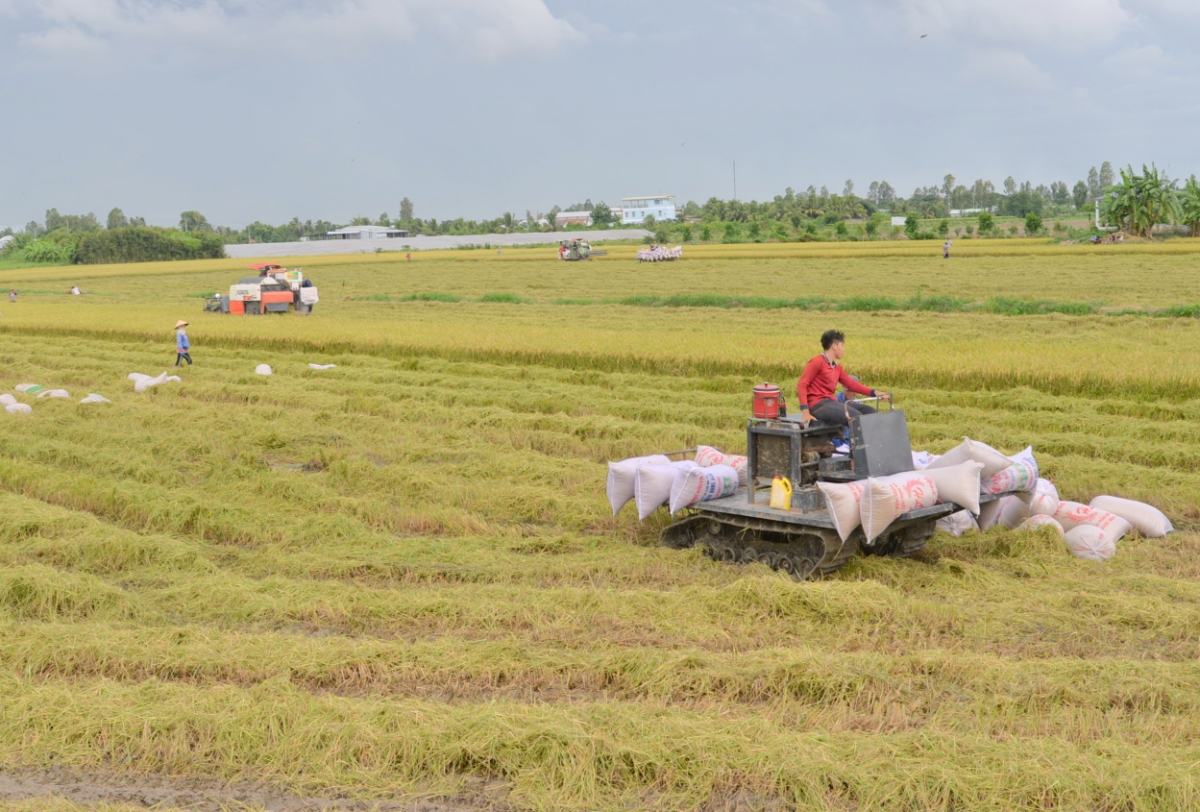
Clear guidance is needed for sustainable land use and transformation in the Mekong Delta amid climate change and rising sea levels. Source: Internet
Rapid land-use restructuring
Data shows that land-use restructuring in the Mekong Delta is taking place rapidly.
The rice cultivation area has decreased from approximately 2.4 million hectares in 2006 to 1.9 million hectares in 2022. Meanwhile, aquaculture and perennial crop areas have expanded.
This transformation helps farmers better adapt to market demands and natural conditions, especially as climate change becomes more complex.
However, without long-term planning, this process may lead to ecological imbalances and increase risks for agricultural land in the Mekong Delta.
A comprehensive solution is needed to protect land and livelihoods
Experts emphasize that addressing the issue of agricultural land in the Mekong Delta requires a comprehensive strategy rather than fragmented solutions.
Key priorities include:
- Increasing value per unit of land
- Developing climate-resilient agriculture
- Reorienting land-use restructuring based on regional planning
- Expanding non-agricultural employment opportunities for rural workers
Importantly, it is necessary to balance economic development with the stability of rural livelihoods in the Mekong Delta.
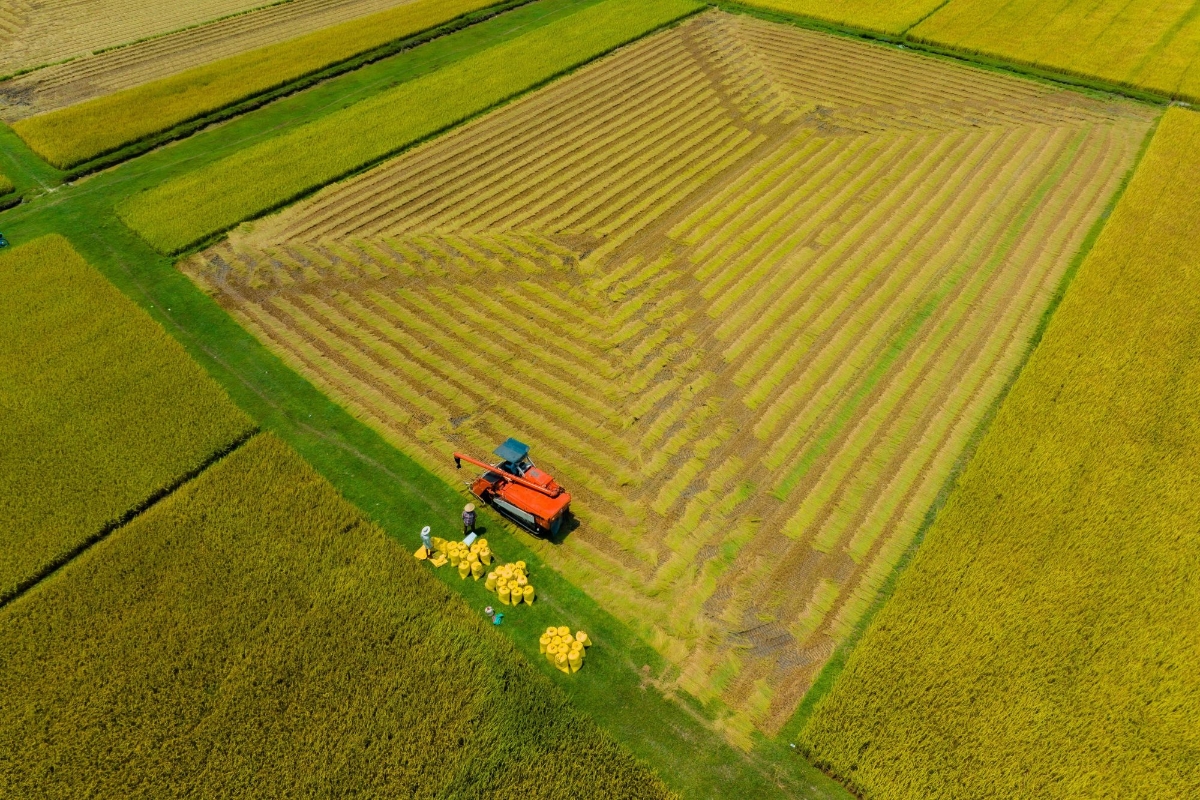
Illustrative image. Source: Internet.
A long-term challenge for the Mekong Delta
It is clear that the issue of agricultural land in the Mekong Delta is not only about production but also closely linked to social security and regional development strategies.
As saltwater intrusion and extreme climate conditions continue to intensify, efficient land use, minimizing farmland loss, and properly guiding land-use restructuring will be key to ensuring sustainable development in the Mekong Delta.
Views
295