
 English
 Tiếng Việt

U.S. COFFEE IMPORT TAX CUT TO 0%: A GOLDEN OPPORTUNITY FOR VIETNAM’S EXPORT INDUSTRY
01 Dec 2025

The U.S. has officially reduced its coffee import tax to 0%, opening a “golden moment” for Vietnam’s coffee export industry. To seize this billion-dollar opportunity, businesses must prepare thoroughly in quality, supply chain, and branding.
Why Did the U.S. Reduce Coffee Import Tax to 0%?
According to the latest update, the U.S. government has added coffee to the list of products eligible for a 0% import tariff, under a reciprocal trade policy applied to goods that the U.S. cannot produce sufficiently on its own.
In the latest trade agreement between Vietnam and the U.S., coffee-a crop that cannot be commercially grown in the U.S.- was prioritized for full tariff exemption.
This decision aims to reduce cost pressure on American consumers, as most coffee consumed in the U.S. is imported.
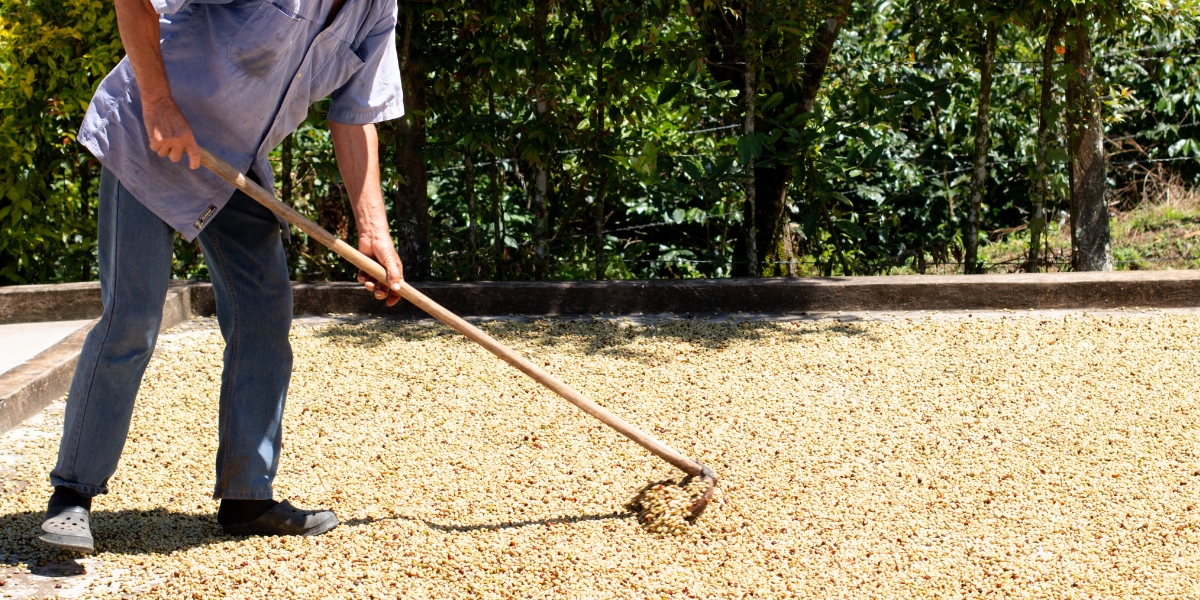
The U.S. reducing its coffee import tariff to 0% is considered a major opportunity for Vietnam. Source: Internet
What this means for Vietnam's coffee industry
1. Strong advantage in price competitiveness
Reducing import tax to 0% significantly boosts Vietnam’s price competitiveness, especially when the previous import tariff averaged around 20%.
Combined with Vietnam’s lower production costs compared to other major producing countries, this is a strategic moment for Vietnamese exporters-particularly those focusing on Robusta, which is naturally cheaper than traditional Arabica.
2. A major opportunity to expand market share in the U.S.
The U.S. is the world’s largest coffee-importing market. With a zero percent tariff, Vietnamese coffee can penetrate deeper into this multi-billion-dollar market.
Exporters call this a “golden opportunity” to boost export volume, broaden distribution networks, and gradually shift consumer preference-from primarily Brazilian Arabica to Vietnamese Robusta.
3. But caution and thorough preparation are still required
Although the opportunity is significant, Vietnam’s coffee industry must not be complacent. Businesses need to focus on product quality, clear origin labeling, and maintaining a stable supply chain in order to fully leverage the advantage of the reduced import tax.
This is especially important because the U.S. market is familiar with the flavor profile of Brazilian Arabica; shifting consumer preference toward Vietnamese Robusta will require time for adaptation.
|
Period |
Impact |
|
Short term |
Export volume to the U.S. may rise sharply; prices become more competitive; order frequency increases. |
|
Medium & long term |
Expansion of market share, stronger Vietnamese coffee branding, growth in deep processing, and higher export value. |
|
Challenges |
Ensuring consistent quality, meeting international standards, building long-term supply chains and brand identity. |
Recommendations for Vietnamese businesses & farmers
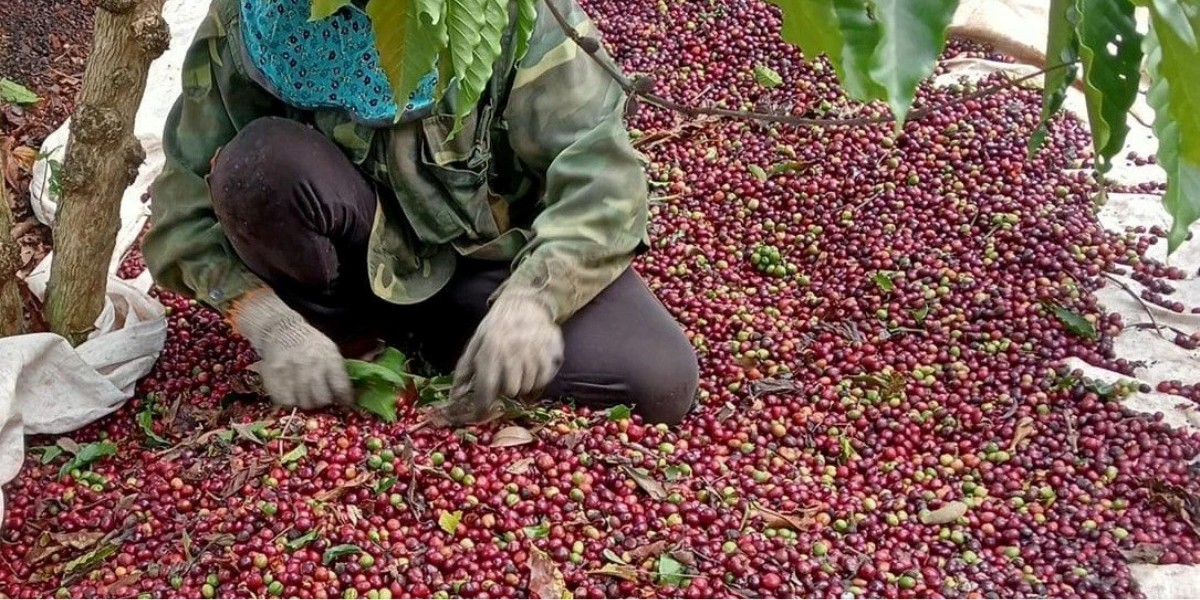
Vietnam needs to enhance deep processing and build a high-quality coffee brand. Source: Internet
1. Strengthen deep processing & quality control
Ensure coffee meets international standards, is uniform, and has clear traceability.
2. Build a strong Vietnamese coffee brand
Promote Vietnamese Robusta with emphasis on price, quality, and origin, helping win consumer trust in the U.S.
3. Perfect export documentation & standards
Prepare certificates of origin and comply with U.S. import regulations to avoid delays or rejections.
4. Diversify product lines
Green beans, roasted coffee, ground coffee, and instant coffee to meet varied segments of the U.S. market.
Conclusion
The U.S. government’s decision to cut the coffee import tax to 0% is extremely positive news for Vietnam’s coffee industry, unlocking major opportunities in the world’s largest coffee market.
With proper preparation in quality, processing technology, supply chain management, and branding, this policy shift could become a turning point-helping Vietnamese coffee rise higher, boost export revenue, and strengthen its position on the global coffee map.
Views
713