
 English
 Tiếng Việt

VIETNAM MAINTAINS TOP 3 POSITION IN SINGAPORE’S RICE MARKET
03 Dec 2025
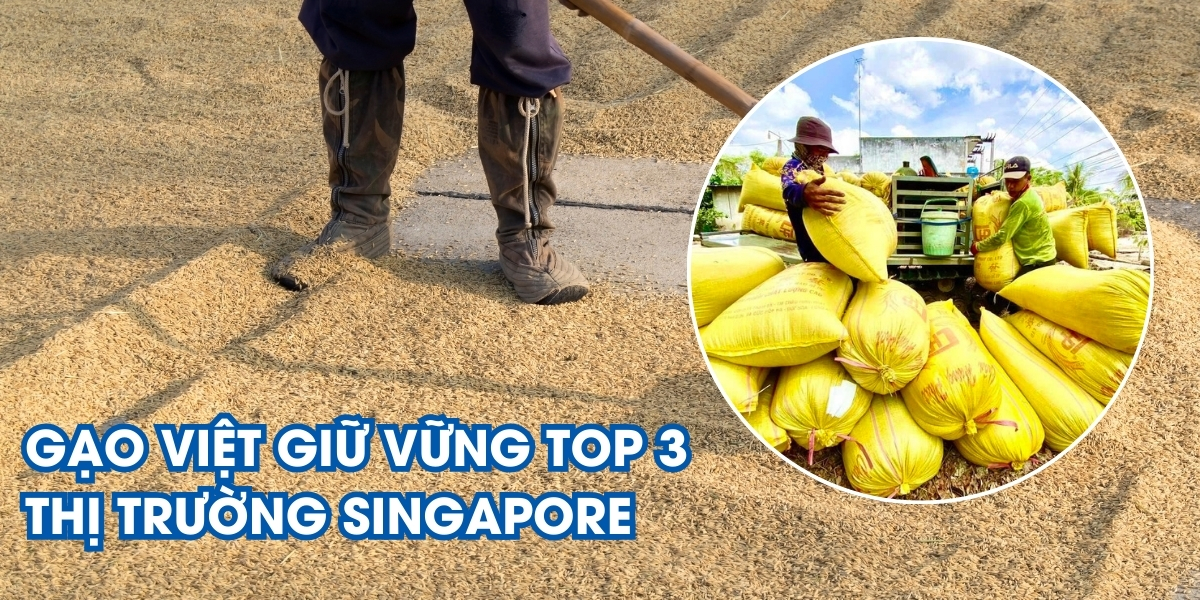
Vietnam remains the third-largest rice supplier to Singapore, accounting for 25.3% of the import market share with SGD 87.8 million (≈ USD 67.5 million) in import value over the first nine months. News, analysis, and implications for Vietnam’s rice export sector.
Vietnam holds its position despite a drop in import value
According to data from Singapore’s Accounting and Corporate Regulatory Authority, in the first nine months of the year, the value of rice imported from Vietnam reached SGD 87.8 million (≈ USD 67.5 million), down 11.5% year-on-year and representing 25.3% of Singapore’s total rice import market.
This places Vietnam as the third-largest rice supplier to Singapore, behind India and Thailand.
Key export segments: Strong performance in white rice, fragrant rice, and glutinous rice
Among product categories, white rice generated the highest import value in Singapore at SGD 53.2 million, accounting for ~31% market share, ranking behind India with SGD 75.2 million (43.8%).
Meanwhile, Vietnam’s fragrant rice (milled/decorticated) and glutinous rice also maintained strong positions, with import values of USD 24.6 million and USD 6.7 million respectively - keeping Vietnam as the leading supplier in these two categories.
Why import value declined & outlook for cooperation
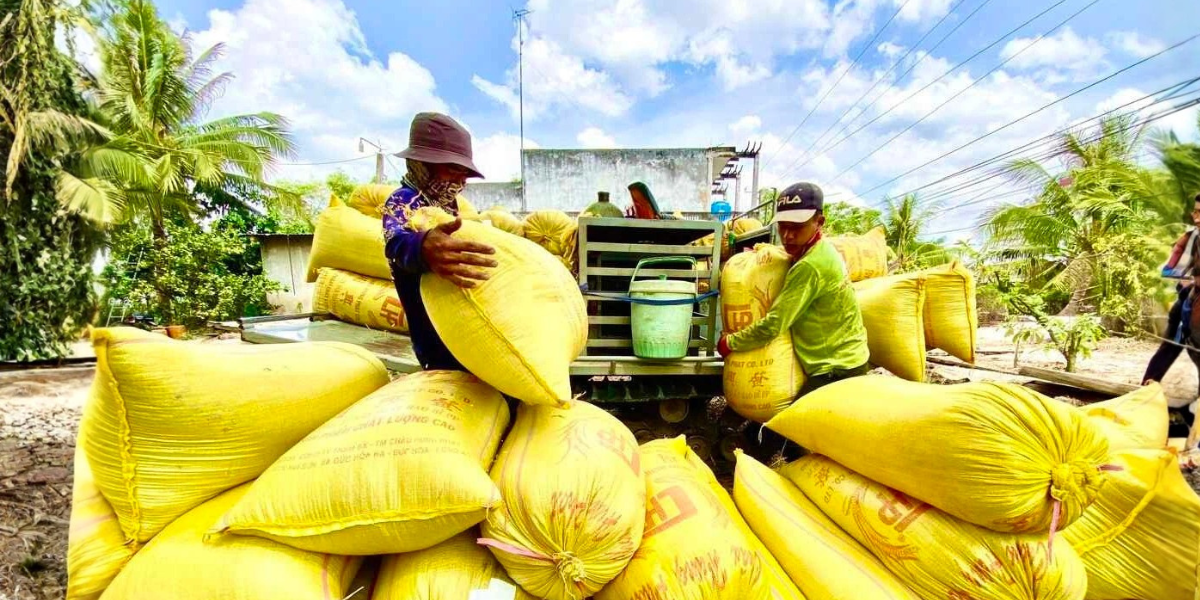
Vietnam maintains its position as the third-largest rice supplier to Singapore despite a decline in value.Source: Internet
The main factor behind the decline in Singapore’s rice import value from Vietnam is the overall drop in export prices compared to last year. Additionally, Singapore’s domestic market is relatively saturated, limiting sharp import growth.
However, both Singapore and Vietnam are currently considering a bilateral agreement on rice, which may help stabilize Vietnam’s rice exports into Singapore in the near future.
What this means for Vietnam's rice export sector
-
Maintaining strategic market share
Retaining the third position in a small but high-consumption market like Singapore highlights Vietnam’s competitiveness in rice varieties and pricing.
-
Pricing pressure as a warning signal
The decline in import value - driven by falling export prices - is a reminder for businesses to increase value-added products (deep processing, premium packaging, traceability) instead of relying solely on high volumes.
-
Opportunities through bilateral trade
A potential rice trade agreement between Singapore and Vietnam may help reduce market volatility and secure stable export channels for Vietnamese companies.
Recommendations for Vietnamese exporters
-
Shift toward higher-value rice
Strengthen the export of fragrant rice, specialty rice, and traceable products to offset the price pressure on traditional white rice.
-
Focus on packaging & branding
Invest in modern packaging, brand positioning, and quality certifications to appeal to Singapore’s high-end consumer segment.
-
Leverage trade negotiations & diversify markets
Monitor the progress of bilateral trade discussions while expanding into new markets to reduce dependence on a small set of buyers.
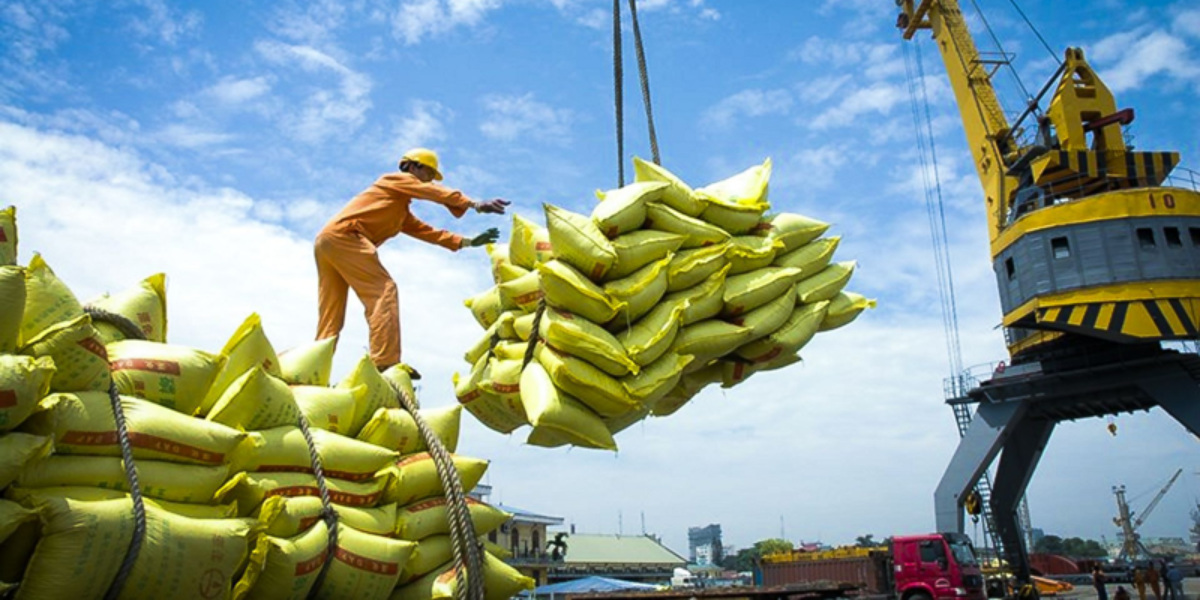
The current position reflects efforts to maintain Vietnam’s rice production, quality, and standing in the international market. Source: Internet
Conclusion
Although Vietnam’s rice import value into Singapore declined in the first nine months of the year, the country still firmly holds the position of the third-largest supplier in this market. To transform market share into long-term value, Vietnamese exporters need to shift toward higher-quality rice, upgrade processing and branding, and proactively engage in trade agreements to secure stable export demand.
Views
609